
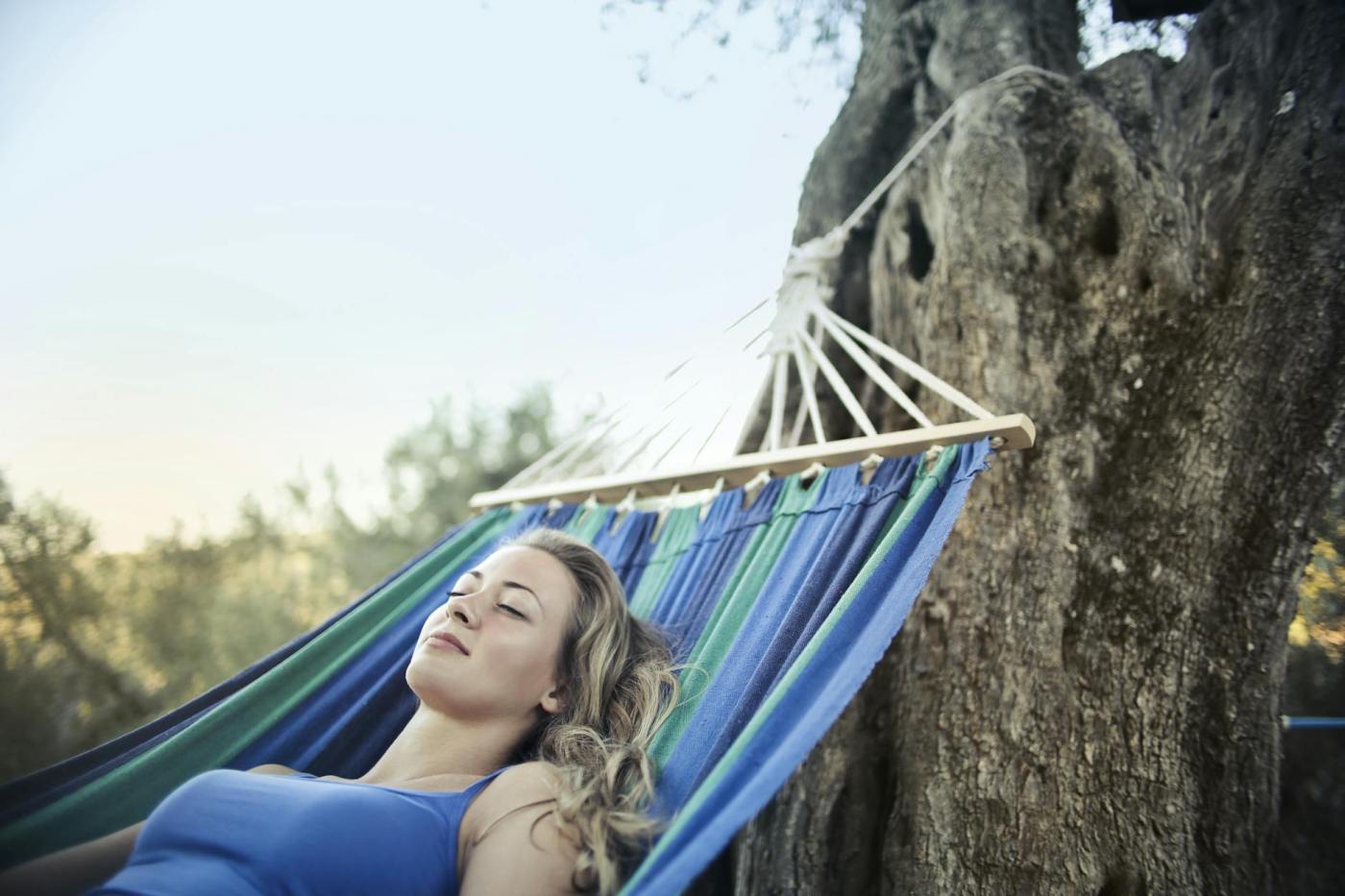
Spring and Summer breaks often gives us something we don’t realize we’ve been missing: a pause long enough to notice how tired we really are. I was on Spring Break this week and during that time I didn’t spend much time working on school work. I gave my brain “time off” and although I felt displaced on what to do, I gave myself the rest I needed. When the usual rhythm finally slows down, it becomes easier to see how much pressure we can be carrying. Whether it is academically, emotionally, spiritually, and even physically. That quiet space can feel unfamiliar at first, but it also creates room for an important truth. To rest is not laziness. It’s a human need and honoring that need is part of staying healthy and whole.
Many of us grow up believing that rest has to be earned, justified, or squeezed into the leftover corners of our schedule. But rest is not a reward, it’s maintenance. Just like our bodies need food and water, our minds need moments of stillness to reset. God gave us the example in Genesis, when after creating the world, He rested. Rest gives the brain space to process, heal, and regulate. It helps us think clearly, manage emotions, and show up with presence instead of running on fumes. Without it, even simple tasks feel heavier, and our patience wears thin. Rest doesn’t make us less productive, it makes us more human.
When life slows down, we can check in mentally on how we feel. We may find clues to how we really feel if we look for it. Examples would be, how tense our bodies have been, how scattered our thoughts feel, how long it’s been since we felt genuinely calm, or even how much pressure we’ve been carrying quietly. These realizations aren’t signs of weakness, they’re signs that your body and mind are finally getting a chance to speak. Finally resting can become a mirror, showing us that constant productivity isn’t sustainable and that rest is part of responsible selfcare, not an escape from it.
Rest is not doing nothing. Rest is doing something deeply important. It allows your nervous system to shift out of survival mode. Research shows that restorative practices, like time in nature, quiet reflection, or creative hobbies can calm the stress response and support longterm mental health. This kind of rest helps the body repair itself, improves emotional regulation, and strengthens resilience.
When we frame rest as laziness, we miss its purpose. Rest is what allows us to return to our responsibilities with clarity, steadiness, and compassion for ourselves and others.
During my research about rest I found a 2024 study from the University of California, San Francisco, that talks about deep rest as a restorative state that supports both mental and physical health by calming the nervous system and promoting cellular repair. The researchers explain that activities like meditation, time in nature, and creative practices help the body shift out of stress and into healing, improving longterm wellbeing.This study reinforces the idea that rest is not optional, it is biologically necessary.
Warmly,
Jennifer Hauser, Undergrad 26
If you’re realizing that you need help learning how to slow down, breathe, and rest with intention, you don’t have to figure it out alone. Our team at Olive Branch Counseling Associates would be honored to walk alongside you and support you in building healthier rhythms. You can find us at 6819 W 167th St, Tinley Park, Illinois 60477, or reach us at 708‑633‑8000 to schedule an appointment.


Leave a Reply