
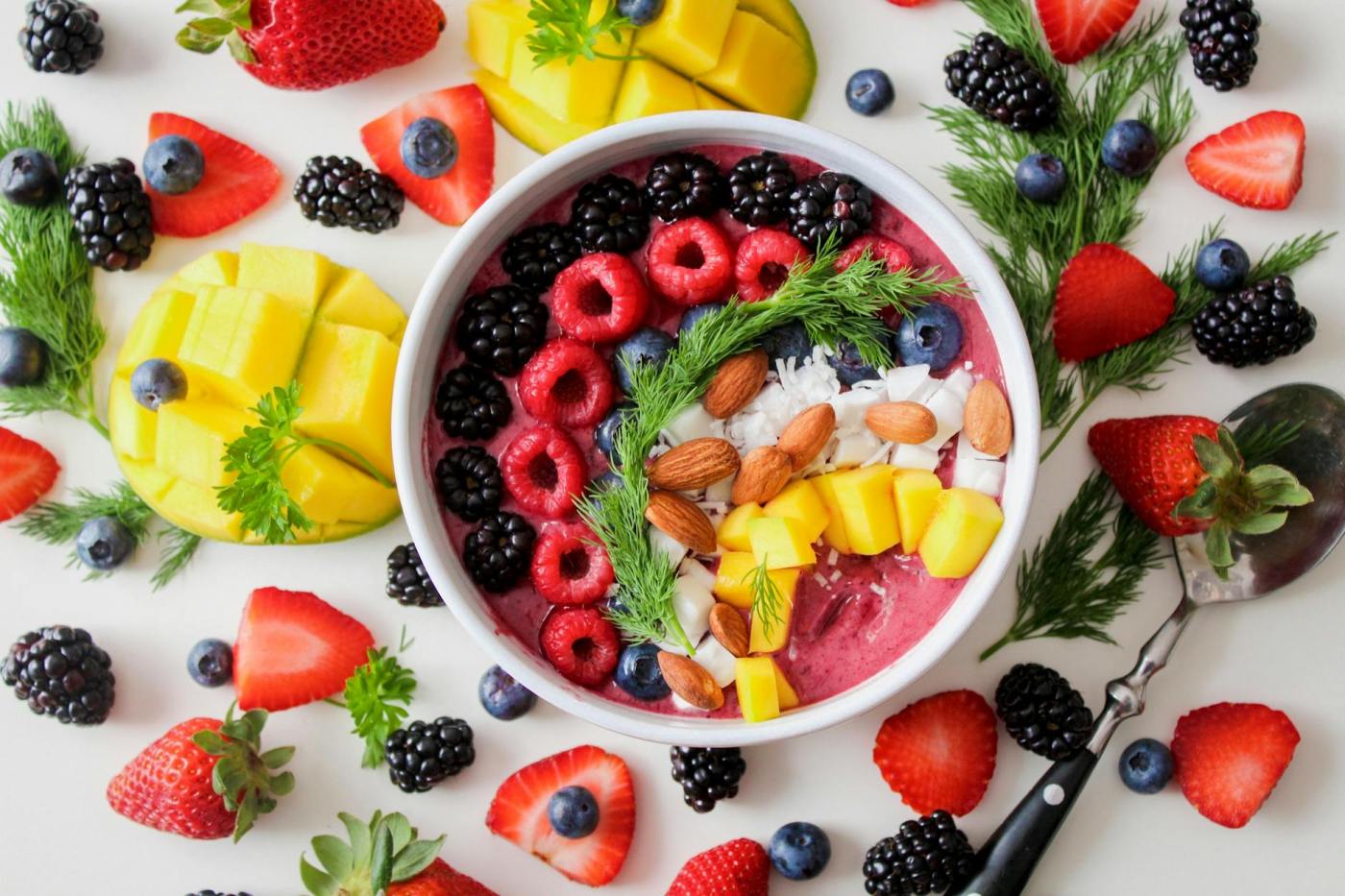
Although we can’t control all the factors that play a part in determining our mental health, we do have control over many of our lifestyle choices. Making healthier lifestyle choices can help us improve our psychological wellbeing. Getting enough sleep, for example, has been shown to strengthen emotional processing, improve mood, decrease stress, improve memory, and increase productivity.
In the past ten years or so, a great deal of research has been conducted about how the foods we eat might affect our mental health, especially our mood. Depression and anxiety are the most prominent mental health problems in the world. Now, researchers are compiling information about the relationship between diet and mood. Is it possible that we may be able to protect ourselves from developing mood disorders like depression and anxiety by eating certain foods and avoiding others? Could we even treat existing mood disorders with prescriptive diets? The detrimental effects of diets that are low in fiber and high in saturated fats and refined carbohydrates on physical health, such as diabetes and heart disease, have been clearly established. Now, evidence supporting the negative effects of similar diets on mental health is mounting.
Here are three areas in which the diet – mood connection has been well supported with scientific research:
Carbohydrates – Studies show that foods with a higher dietary glycemic index and refined carbohydrates are corelated with increases in depressive symptoms.
Inflammation – A link has been found between dietary inflammation and depression. High calorie meals that are rich in saturated fat, trans fats, and refined carbohydrates are thought to cause dietary inflammation. Mediterranean dietary patterns that include foods with anti-inflammatory properties, like omega-3 fatty acids, for example, have been shown to reduce inflammation.
Gut Microbiome – Major depressive disorder has been connected to alterations of the gut microbiome, the collection of microbial organisms that live in our gastrointestinal system. Gut microbiome problems, known as “leaky gut,” involve a faulty gut barrier. Leaky gut has been associated with a diet low in fiber and high in saturated fats, refined sugars, and artificial sweeteners. The Mediterranean diet, which is high in fiber, polyphenols, and unsaturated fatty acids is thought to aid in creating a healthy gut microbiome and to produce anti-inflammatory substances.
Ok, so now that researchers have established unmistakable support for the connection between certain dietary patterns and mood, they still haven’t proven that a poor diet causes a poor mood or that improving your diet improves your mood. Does someone with depression eat more high-carb foods because they feel down, or do they feel depressed because they eat more high-carb foods? Researchers have not established these causal connections yet, but investigation into the diet – mood connection is ongoing and is certain to be increasingly revealing.
Although we don’t have all the answers yet, we do know that we feel better mentally when we feel better physically, and that’s a great motivation for making the healthy lifestyle choice of improving your diet! For more help with lifestyle challenges or to speak with a professional counselor about other mental health issues, please contact Olive Branch Counseling Associates, Inc. at 708-633-8000. We are located at 6819 167th St. in Tinley Park, IL 60477, offering in-person and telehealth appointments. It is our pleasure to be of service to you.
Molly V.
Graduate Intern, 2025
Olive Branch Counseling Associates, Inc.
References:
Chan, A. (2024, March 8). How Food Affects Your Mood | Mass General Brigham. http://Www.massgeneralbrigham.org. https://www.massgeneralbrigham.org/en/about/newsroom/articles/how-food-impacts-your-mood
Firth, J., Gangwisch, J. E., Borisini, A., Wootton, R. E., & Mayer, E. A. (2020). Food and mood: how do diet and nutrition affect mental wellbeing?. BMJ (Clinical research ed.), 369, m2382. https://doi.org/10.1136/bmj.m2382
 CounselingMatters.live
Leave a comment