
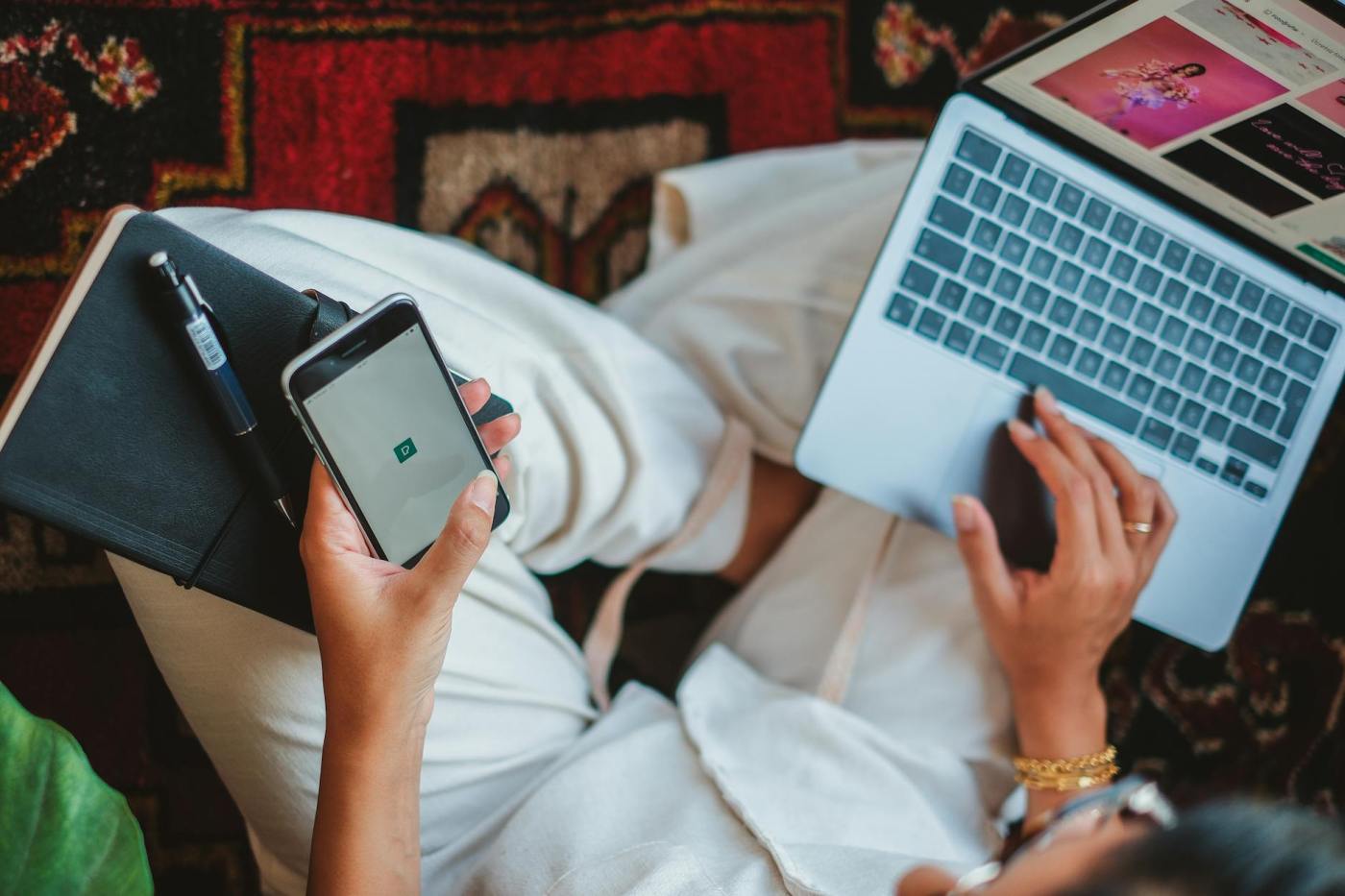
Everyone knows at least one person who rarely posts on social media. While others regularly share vacations, celebrations, or everyday moments, this individual seems content staying silent. It’s easy to assume they’re disengaged or missing out on connection. But what if that silence is intentional? What if choosing not to post is actually a sign of clarity, confidence, and emotional well-being?
Consider the last time you shared something online. Now, think about the times you almost posted something but stopped yourself. That pause reveals a lot. In that brief moment, many people unconsciously evaluate how they’ll be perceived. Will this get enough attention? Will it reflect well on me? Will others think my life is interesting enough? These mental calculations turn ordinary experiences into performances meant for approval rather than enjoyment.
Social scientists have long described how people manage their public image, but social media intensifies this process. What was once limited to small social settings is now broadcast to massive audiences and stored indefinitely. A poorly chosen caption or awkward post doesn’t fade with time, it stays forever. Some people respond to this pressure by stepping away from posting entirely, refusing to treat their lives as content.
Research suggests this choice is more common than many realize. A sizable percentage of social media users primarily observe rather than participate. These individuals often scroll quietly, and while the label “lurker” sounds negative, studies suggest a different explanation. The combination of constant comparison, fear of judgment, privacy concerns, and outside pressure creates emotional exhaustion. Choosing not to post can be a form of psychological self-protection rather than withdrawal.
Comparison plays a powerful role in this experience. Even when we understand that social media shows curated highlights rather than reality, our brains still react emotionally. Seeing others’ achievements, relationships, or purchases can quietly undermine self-worth. Our brains don’t distinguish between staged success and real life. We simply see that someone else appears to have more. By avoiding posting, and sometimes limiting engagement, people reduce exposure to this ongoing comparison.
From a psychological perspective, humans tend to thrive when they feel autonomous and in control of their choices. Social media often works against this by encouraging validation-seeking behavior. Likes, comments, and reactions become measurements of worth. People who don’t feel drawn into this system are often more secure in themselves. Their confidence doesn’t rely on external approval, and they don’t feel obligated to prove their happiness online.
Interestingly, those who post less often tend to prioritize depth over quantity in their relationships. They may have smaller social circles, but those connections are usually stronger and more authentic. Research consistently shows that meaningful relationships contribute far more to long-term happiness than large numbers of casual interactions. A handful of honest conversations often matter more than hundreds of digital reactions.
Remaining quiet online doesn’t mean being unaware or disconnected. Many people who don’t post are highly observant. They notice changes in others’ posting habits, shifts in tone, and the subtle ways people curate their narratives. Rather than participating in the noise, they focus on understanding. This reflects a deeper form of awareness rooted in curiosity and emotional intelligence rather than performance.
Psychologists distinguish between concern about public image and attention to inner values and feelings. People who avoid posting tend to focus more on internal awareness. Instead of asking how something will look to others, they ask how it feels to them. Without the constant task of managing an online persona, they have more mental space for reflection, personal growth, and authenticity.
Choosing not to post isn’t about hiding or disengaging. It’s about control. Some experiences lose their richness when they’re turned into content. A conversation can feel more meaningful when it isn’t being mentally framed for an audience. A moment can feel more complete when it belongs only to the people living it. Those who stay quiet online aren’t rejecting connection, they’re choosing it on their own terms.
In a culture that rewards constant visibility, silence can be a powerful act of self-respect. The people who don’t post may not be missing out at all. They may simply be living more fully, off camera, unmeasured, and deeply present.
If you would like to learn about more strategies for improving your wellbeing or to speak with a professional counselor about any mental health challenges or concerns, please call Olive Branch Counseling Associates at 708-633-8000. You can meet with a professional counselor in person at 6819 167th St. in Tinley Park, IL 60477, or we can arrange a telehealth appointment. It is our pleasure to be of service to you.
Molly Vacha
Graduate Intern, 2026
Olive Branch Counseling Associates, Inc.
Reference
Psychology Simplified. (2026, January 24). Psychology of People Who Don’t Use Social Media. YouTube. https://www.youtube.com/watch?v=uzMRgsVsysg
 CounselingMatters.live
Leave a comment