
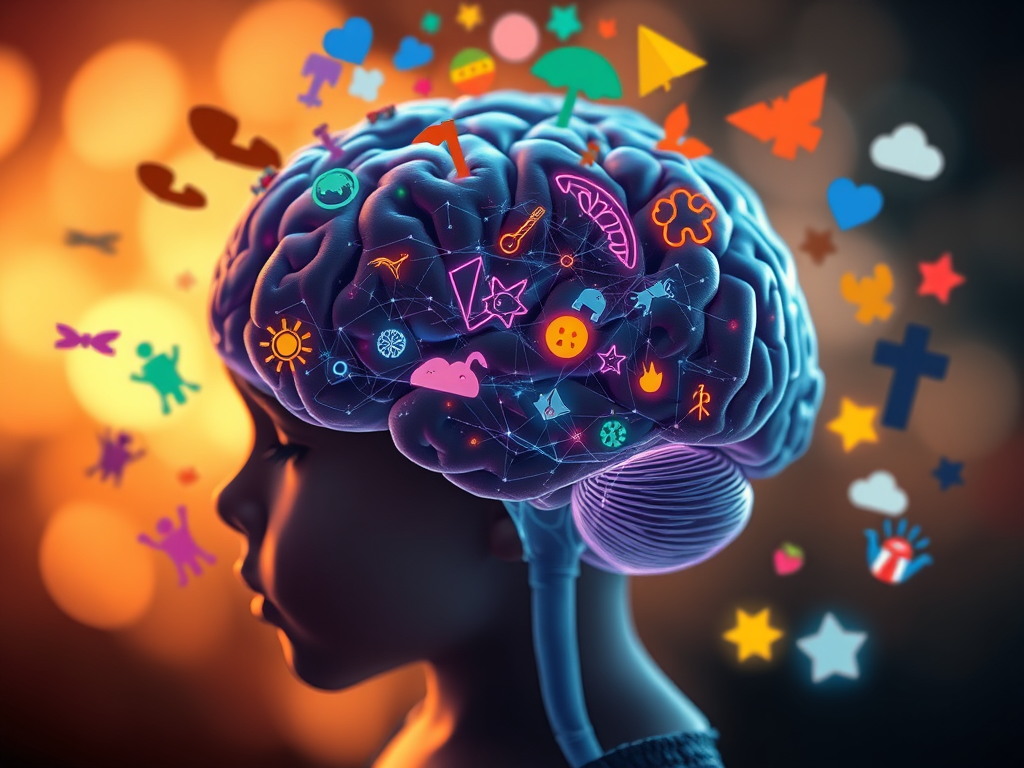
Neuroplasticity is a fun word for how brains adapt to new situations. There are two main types of neuroplasticity. The first one is structural plasticity meaning that experiences or memories change a brain’s physical structure. This is predominant in children because they are constantly experiencing and remembering brand new things. Another reason is because their brains are still developing and organizing. Brains are complex structures that are formed by genes and experiences, not just one or the other. The other type of neuroplasticity is functional plasticity. This refers to when brain functions move from damaged areas to undamaged areas. For example when someone has their occipital lobe or visual cortex their vision may suffer. When that happens the brain uses neuroplasticity so their sense of touch can take over and allow them to read braille. Another example is when someone has a tumor on one hemisphere (half) of the brain the other hemisphere takes control so the person can function optimally even with their change (Myers’ Psychology for the AP course). Some new situations can be hard to deal with and worth talking about.
When childhood trauma like abuse, neglect, or violence occurs, the amygdala, the gatekeeper of emotional regulation, activates the sympathetic nervous systems fight or flight response. If a child has experienced trauma their brain may detect threats easily causing them to feel stress, anxiety, or depression more easily. This can even carry on into their adulthood. This does not mean they are stuck in this loop of fear. Because of neuroplasticity, people are able to rewire their brains from childhood trauma to a new, positive experience. There are some neuroplasticity exercise that may also help by repeating the behaviors and experiences you want to keep and avoiding the ones you want to get rid of(https://psychcentral.com/ptsd/the-roles-neuroplasticity-and-emdr-play-in-healing-from-childhood-trauma#neuroplasticity-and-healing).
We, here at Olive Branch Counselling Associates, Inc., are here for you. You can find us at 6819 167th Street in Tinley Park, Illinois, online at https://www.olivebranchcounselingassociates.com/ or by phone by calling (708) 633- 8000. Olive Branch offers therapy for individuals, couples, and families. We would be happy to hear from and see you!
Hope Meegan
Front Desk
 CounselingMatters.live
Leave a comment