
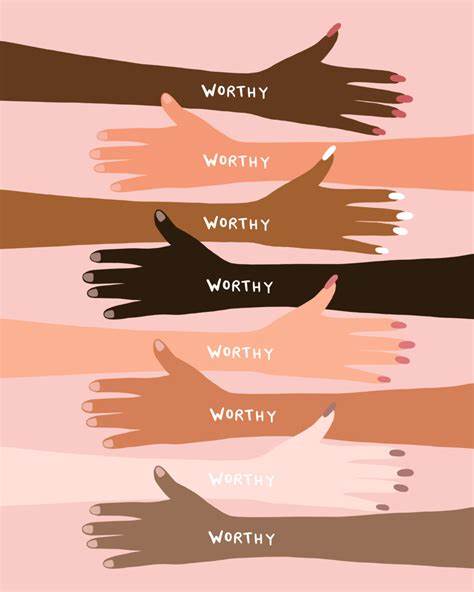
BIPOC. Have you seen this acronym appear more often recently? I know I have, even though the acronym has been around since 2013. BIPOC stands for Black, Indigenous, and People of Color. The People of Color portion is intended to include Latino/a/x, Asian, and other ethnic and racial groups as well. The creation of the term BIPOC is meant to give focus to the systemic racism, violence, and cultural erasure of BIPOC communities with an understanding that these experiences were the very foundation that the white patriarchy of the United States was built upon. These experiences I am referring to include but are not limited to the genocide of indigenous people, the seizure of the indigenous land, the enslavement of black people, and the requirement of Japanese Americans to leave their homes and enter concentration camps during WWII.
Perhaps, you think, “Well while that may be true, these things happened in the past and are minimal in their existence today”. A few years ago, as a middle-aged white person, I would have agreed with you. It was not until I began a relationship with my current partner that I truly understood the magnitude of systemic racism and violence that members of the BIPOC community continue to face daily.
My long-time partner is an undocumented immigrant from Mexico. Most people do not notice this based upon what he looks like. In the wintertime, he is as white as I am, and can “pass” for a white person. Racial passing occurs when a member of one racial group looks like a member of another racial group. However, as soon as he opens his mouth, it is evident that English is not his first language and that he is not white like he appears. This creates a lot of curiosity when he meets new people. It also opens the door for ignorant people to share their opinions and views. I have witnessed some of these interactions. They are painful to witness. Absolute strangers have asked him if he is here legally. An old white man once called him a cockroach. Sometimes people, once they have heard his accent, begin to speak slower and louder thinking that he cannot understand them.
My partner takes all these experiences in stride. He is used to it. He has had to deal with these situations for over a decade. He has been conditioned to expect them. I, on the other hand, become incredibly upset and angry. Never in my life have I had someone make assumptions or comments towards me because of the color of my skin or where I come from. I am white and a US citizen. Just because you do not see it with your own eyes, just because you do experience it firsthand, just because you and the circle you run in do not hold bias against members of other communities does not mean that racism and violence are a thing of the past. What can you do? Educate yourself. How can you do that? My best advice is to listen to the stories of members of the BIPOC community. I promise you every single person will have a story to share.
If you would like to speak to a professional counselor or psychologist about this and are in the Chicago area, please feel free to contact Olive Branch Counseling Associates, Inc. at 708-633-8000. We are located at 6819 West 167th Street in Tinley Park, Illinois 60477.
Hillary R.,
Masters Level Intern, 2023
Sources –
Mack, K. (n.d.). BIPOC, LGBTQ+, and the power and limitations of umbrella terms. RSS. https://www.macfound.org/press/perspectives/bipoc-lgbtq-power-limitations-umbrella-terms
Image: https://aestheticsofjoy.com/joymaker-danielle-coke-illustrator-and-advocate/
Image Artist: Danielle Cook, Illustrator and Activist
 CounselingMatters.live
Leave a comment