
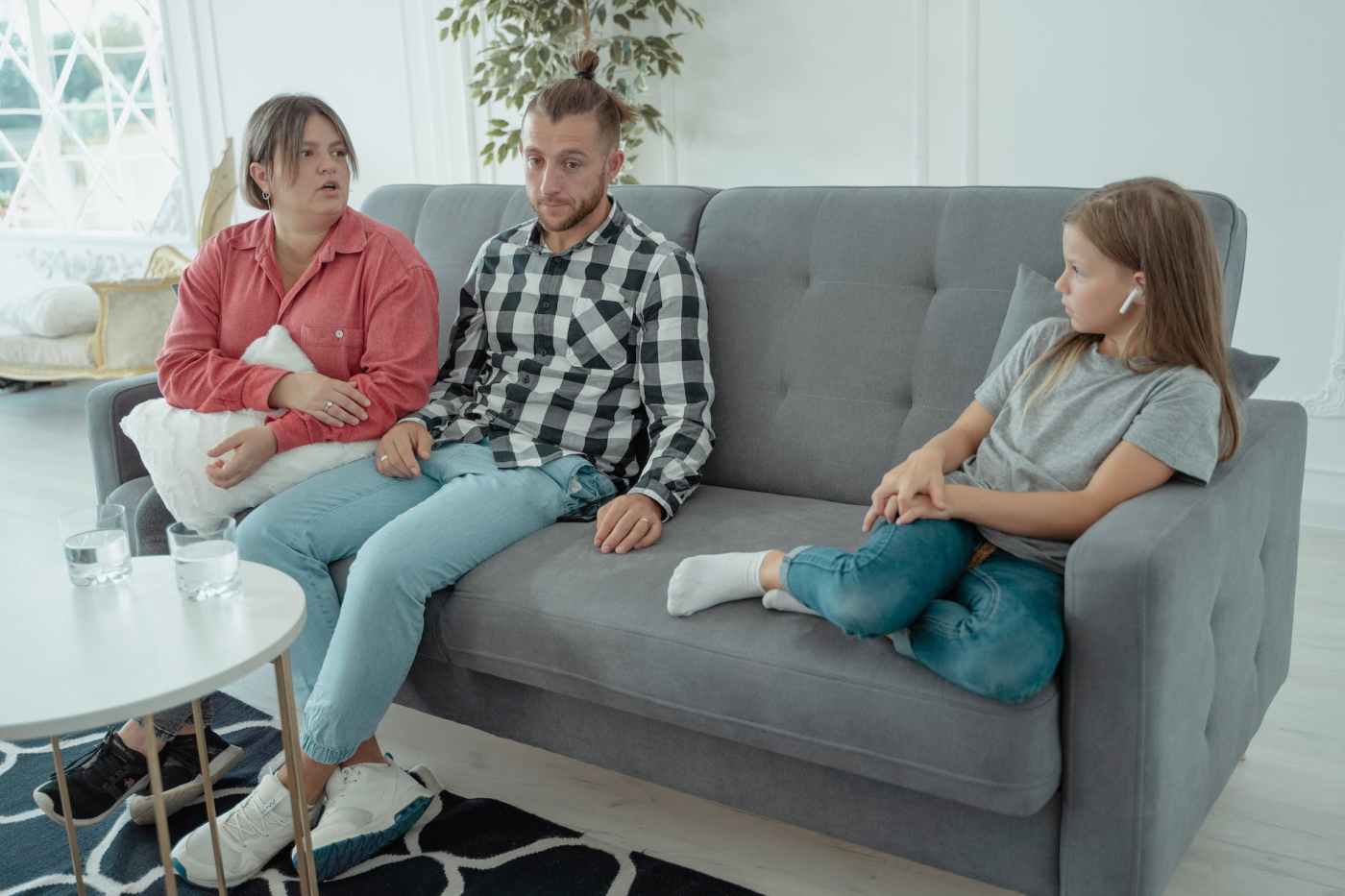
Parenting is a complex and challenging journey that often comes with its fair share of disagreements and conflicts. One common characteristic among parents is the belief that they are always right. While this attitude may seem frustrating or even irrational at times, it is essential to understand the underlying reasons behind this mindset. In this blog, we will explore the perspectives of such parents and gain insight into why they may hold onto this belief.
Love and Protection. One of the primary reasons parents believe they are always right is their deep love and concern for their children. Parents often feel a strong need to protect their children from harm and ensure their well-being. This desire to shield their children from negative experiences can make them overly cautious and stubborn in their beliefs. They may genuinely believe that their way is the best way to protect their children, even if it means asserting their rightness in every situation. On top of this, parents have a profound emotional attachment to their children, which can cloud their judgment and make them defensive about their decisions. They may associate their self-worth with their ability to raise successful and well-adjusted children. Any challenge to their parenting choices can be interpreted as a personal attack, causing them to defend their position vigorously
Life Experience and Wisdom. Parents have a wealth of life experience and wisdom that they believe gives them the authority to make decisions for their children. They have lived through various challenges and lessons, and they may feel that they know what is best based on their own experiences. This accumulated knowledge can make them feel confident in their opinions and decisions, leading them to believe that they are always right.
Fear of Failure. Parents often fear that making a mistake in their parenting decisions could have long-lasting consequences for their children. This fear can drive them to hold onto the belief that they are always right, as it offers them a sense of control and security. Admitting that they might be wrong could trigger feelings of guilt and self-doubt, which parents may find difficult to handle. Thus, they cling to their belief to avoid the possibility of failure.
Cultural and Generational Influences. Cultural and generational influences play a significant role in shaping a parent’s beliefs and values. Traditional cultural expectations and societal norms can influence parents to adhere to certain parenting methods and beliefs. Additionally, the values passed down from previous generations can contribute to the belief that parents are always right. These influences can be deeply ingrained and may lead parents to resist alternative viewpoints or suggestions.
Therefore, understanding parents who believe they are always right requires empathy and an appreciation for the complexities of parenthood. While their unwavering belief may lead to conflicts and disagreements, it is crucial to recognize that their intentions are rooted in love and protection. Engaging in open and respectful communication can help bridge the gap between parents and their children, fostering understanding and growth for both parties. Remember that parenting is a continuous learning process, and the willingness to consider alternative perspectives can lead to positive growth and stronger relationships within the family. My mother always told me that I will never know what it means to be a parent until I am one myself. For this reason, I encourage you to appreciate the care they have for you wishing you the best, while also developing trusting relationships to express your emotions and feelings.
Written by: Rachel Garcia; Masters Level Intern at Olive Branch
If you need support, live in the Chicago area, and would like to speak to a professional counselor, please contact Olive Branch Counseling Associates, Inc. at 708-633-8000. We are located at 6819 West 167th Street in Tinley Park, Illinois 60477.


Leave a Reply