
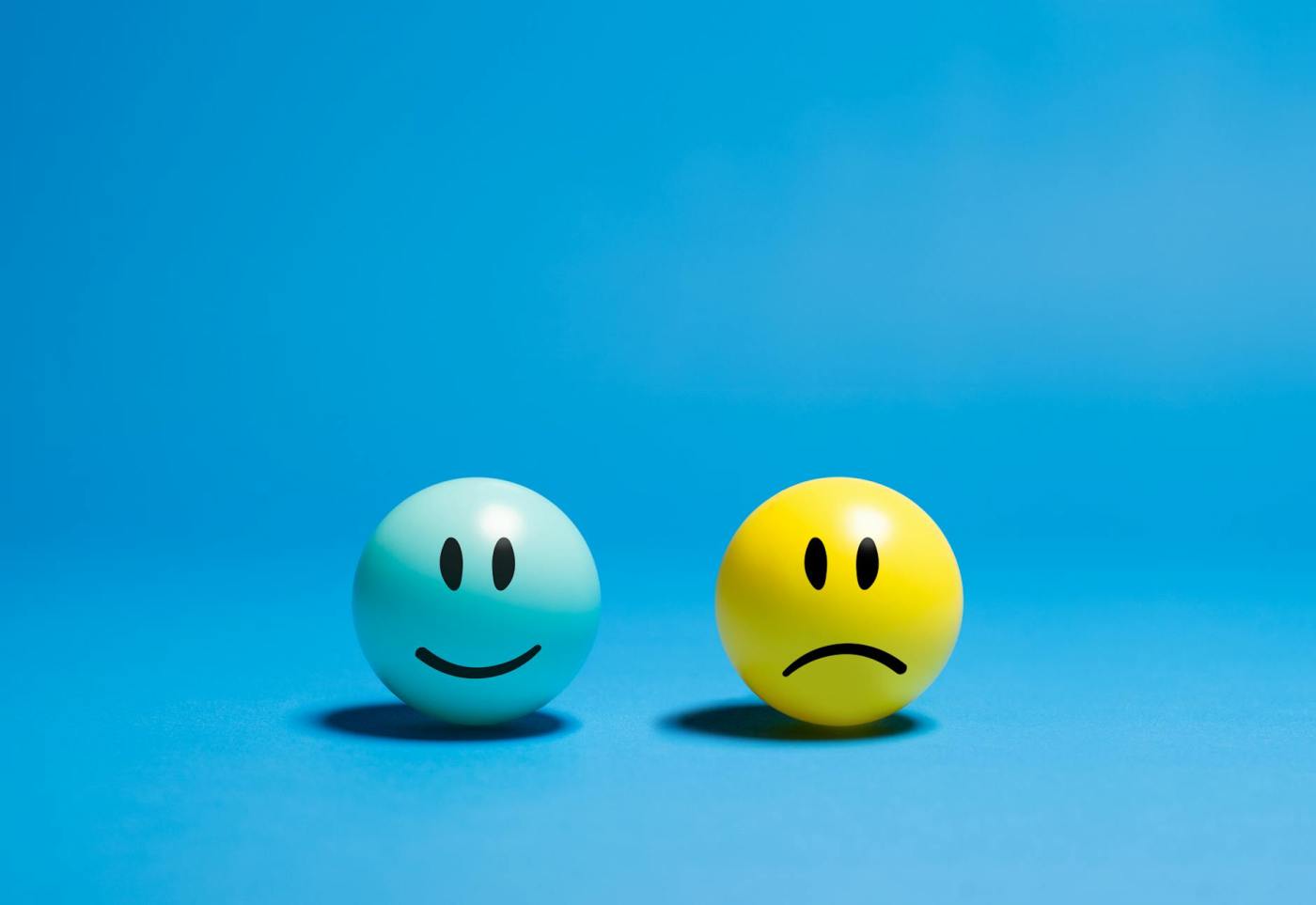
Emotional regulation refers to the skills people use to understand, manage and respond to their emotions in ways that are appropriate for a situation. Rather than eliminating feelings, emotional regulation focuses on adjusting how intense an emotion feels, how long it lasts and how it is expressed. These skills help people pause, think, and choose responses instead of reacting automatically or impulsively.
Emotional regulation develops gradually, often beginning in childhood as people learn how to label emotions, soothe themselves, and communicate feelings. Some individuals naturally find these skills easier to develop, while others may struggle due to stress, trauma, or neurological differences. When emotional regulation works well, it supports mental wellbeing, problem-solving, resilience, and healthy relationships.
Emotional dysregulation occurs when these skills don’t function as effectively. In these cases, emotions may feel overwhelming, unpredictable, or difficult to control. Emotional dysregulation exists on a spectrum and can appear in childhood, adolescence, or adulthood. It can also develop later in life due to trauma, illness, or brain injury.
Why Emotional Regulation Matters
Emotions influence how people think, behave, and relate to others. When emotions are regulated effectively, individuals are more likely to make thoughtful decisions, manage stress, and navigate conflicts constructively. When emotions are ignored or suppressed entirely, people may experience resentment, rumination, frustration, or emotional numbness. Over time, this can contribute to anxiety, depression, or physical stress symptoms.
It is important to understand that emotional regulation is not about “being calm all the time.” Strong emotions like anger, sadness, and fear are normal. What matters is the ability to experience those emotions without losing control or acting in ways that cause harm.
Signs and Symptoms of Emotional Dysregulation
Emotional dysregulation can affect thoughts and behaviors. Common signs include:
- Impulsivity: Acting quickly without considering consequences, such as snapping at others or making risky decisions.
- Difficulty calming down: Feeling emotionally overwhelmed for long periods after something upsetting happens.
- Low frustration tolerance: Becoming upset by minor inconveniences, such as delays or small mistakes.
- Mood swings: Shifting rapidly between emotional states without clear triggers.
- Persistent irritability or anger: Feeling tense or on edge even between emotional outbursts.
- Regret after emotional reactions: Saying or doing things during emotional moments that feel embarrassing or harmful afterward.
- Emotional shutdown: Withdrawing, feeling numb, or “checking out” when emotions become too intense.
In some cases, emotional dysregulation may also involve aggressive behavior, intense verbal outbursts, or difficulty maintaining relationships. Some people cope by turning emotions inward, while others express them outwardly; both are common responses when feelings feel unmanageable.
Common Causes of Emotional Dysregulation
Emotional dysregulation can arise from multiple sources, and many people experience more than one contributing factor. Here are some common causes of emotional dysregulation:
- Mental health conditions: Disorders such as anxiety, depression, bipolar disorder, or post-traumatic stress disorder (PTSD) can affect emotional control. For example, someone with PTSD may experience sudden emotional reactions triggered by reminders of past trauma.
- Neurodevelopmental differences: Conditions like attention-deficit/hyperactivity disorder (ADHD) or autism spectrum disorder can involve differences in emotional processing. For example, a person with ADHD may feel emotions very intensely and struggle to recover quickly after rejection or criticism.
- Brain conditions or injuries: Head injuries, strokes, or neurological illnesses can disrupt areas of the brain involved in emotional regulation. For instance, a concussion may temporarily reduce impulse control.
- Trauma and chronic stress: Long-term bullying, abuse, or repeated stress can keep the nervous system in a constant state of alert, making emotional responses stronger even when danger is no longer present.
These reactions are not a personal failure. They reflect how the brain adapts to stress and survival demands.
Emotional Regulation Strategies
How we choose to deal with our emotions can be healthy or unhealthy. Some examples of unhealthy emotional regulation strategies are:
- Self-injury: Using physical harm as a way to release emotional pain.
- Substance use: Relying on alcohol or drugs to numb emotions.
- Emotional eating: Using food to cope with stress instead of addressing emotions directly.
- Avoidance: Ignoring problems or withdrawing from situations that feel uncomfortable.
- Excessive social media use: Escaping emotions through constant online distraction.
- Social isolation: Pulling away from others to avoid emotional exposure.
Unhealthy strategies may reduce distress briefly but often worsen emotional difficulties over time.
Healthy strategies support emotional awareness and gradual regulation. Examples include:
- Mindfulness or meditation: Practicing present-moment awareness to notice emotions without being overwhelmed by them.
- Therapy: Working with a mental health professional to learn coping skills and understand emotional patterns.
- Talking with trusted people: Sharing emotions with friends or family instead of holding them in.
- Building emotional intelligence: Learning to identify and name emotions accurately.
- Journaling: Writing about feelings to process experiences and reduce emotional intensity.
- Taking breaks: Stepping away from stressful situations when emotions are rising.
- Prioritizing sleep: Maintaining healthy sleep habits to stabilize mood and reduce reactivity.
Moving Toward Support and Balance
Emotional dysregulation is treatable, and even mild difficulties can benefit from support. Therapy, medication for underlying conditions, and daily self-regulation habits can all help restore emotional balance. If emotional reactions suddenly change or begin interfering with work, relationships, or safety, reaching out to a healthcare provider is essential.
Emotions are part of being human. Learning to regulate them is a skill that can be strengthened with understanding, patience, and the right support.
For support with emotional regulation or to speak with a professional counselor about any mental health challenges or concerns you may have, we invite you to call Olive Branch Counseling Associates at 708-633-8000. You can meet with a professional counselor in person at 6819 167th St. in Tinley Park, IL 60477, or we can arrange a telehealth appointment. It is our pleasure to be of service to you.
Molly Vacha
Graduate Intern, 2026
Olive Branch Counseling Associates, Inc.
References
Cleveland Clinic. (2023, June 9). Emotional dysregulation: How to feel about managing feelings. Cleveland Clinic. https://my.clevelandclinic.org/health/symptoms/25065-emotional-dysregulation
Guy-Evans, O. (2023, December 13). What is emotional regulation? Tips for managing emotions. Simply Psychology. https://www.simplypsychology.org/emotional-regulation.html
 CounselingMatters.live
Leave a comment