
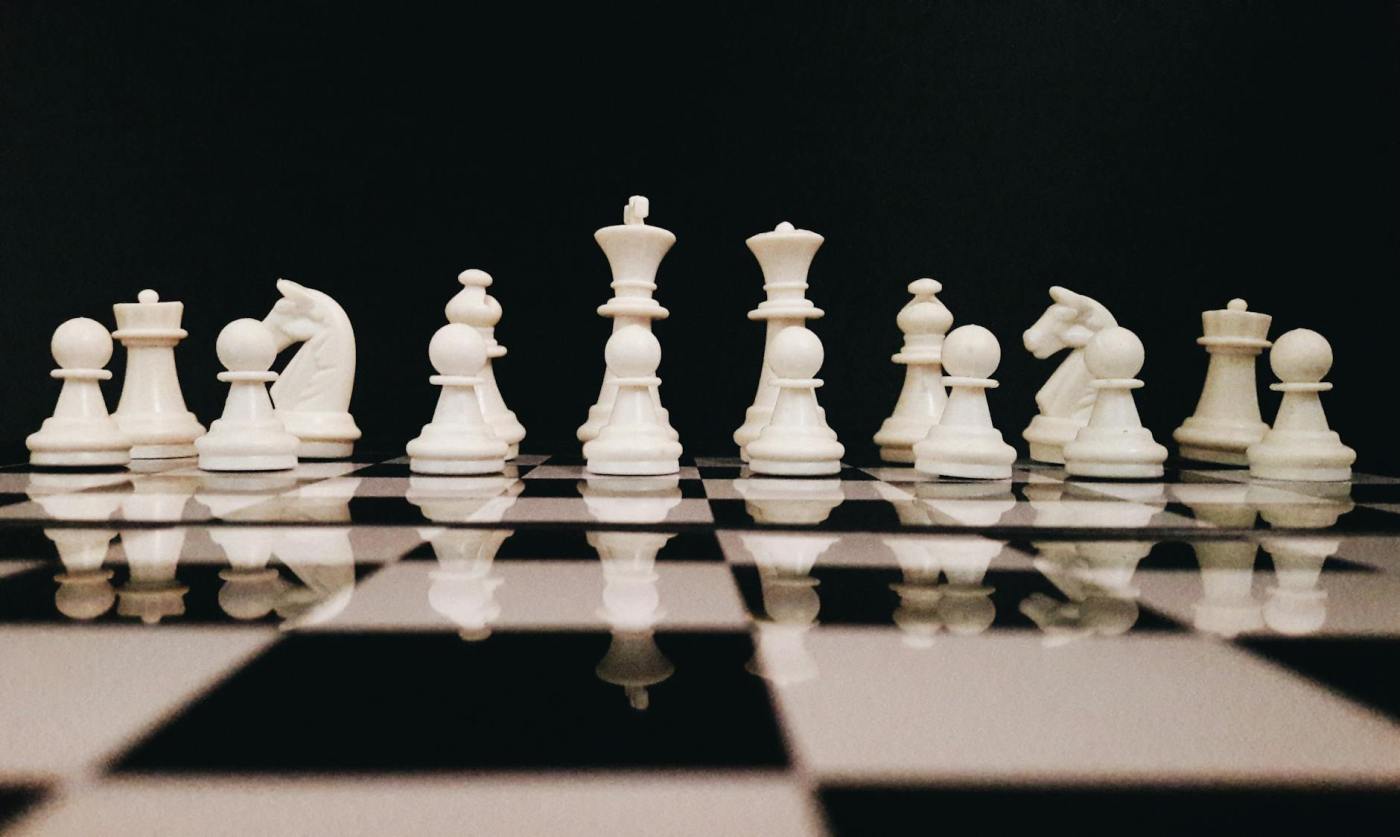
As parents and family of young people, we want to help our children have experiences that support their development in ways that will prepare them to become successful, satisfied, independent adults. There are many ways we do this. We encourage them to do their best academically. We urge them to participate in sports, join clubs, and get involved in extracurricular activities. We want them to be good thinkers, good decision makers, emotionally regulated, resilient, and socially well-adjusted. I recently learned that playing the game of chess has been shown to be another way we can support our children’s growth in all these areas.
As early as 1893, when a study of memory skills displayed by chess players was conducted, psychologists have been examining the mental benefits of playing chess. Just last year, Kostas Giouvantsioudis, Greek educator and chess coach, published a literary review of 12 studies that considered whether playing chess in an educational setting actually helped improve kids’ math skills. He revealed that it did! Not only did studies show that chess can benefit students at every level in mathematics, but they also showed students’ improvement in other academic subjects, in their behavior, and in their social skills.
Manav Saha writes for Debsie, an online learning platform for children that offers individual and group chess lessons. Saha’s discussion of the benefits of playing chess for kids is so impressive that it has convinced me to start playing chess with the kids in my own life. Here is an abridged list based on Saha’s discussion.
The Mental Benefits of Chess:
- learning to break down complex problems, think several moves ahead, and adapt
- learning from mistakes by embracing them as learning opportunities, building perseverance and grit
- developing strategic thinking and decision-making skills by crafting and following a plan, learning the consequences of decisions, and reflecting on decision-making
- anticipating and countering obstacles, adjusting to change, and reworking strategies
- enhancing focus and concentration, staying present, strengthening cognitive stamina, and practicing mindfulness
- fostering emotional intelligence, learning to handle losses gracefully, building patience and delayed gratification, and developing empathy through competition
- learning to think creatively, thinking outside the box, exploring new ideas, risk-taking, and innovation
- building self-confidence by celebrating small wins and overcoming setbacks, developing resilience, building independence and self-reliance
- strengthening math and logic skills, enhancing problem-solving in science, improving reading and comprehension
- improving social skills by problem-solving through interaction, learning respectful competition, developing empathy and communication skills
Finally, Saha points out that chess is a game that can be enjoyed by all ages and can also be a lifelong tool to promote critical thinking, problem-solving, and confidence building. He describes it as a game for everyone. So, if you’d like to promote your kids’ development of any of the skills listed above, or you’d like to develop them yourself, play chess!
To speak with a professional counselor, please contact Olive Branch Counseling Associates, Inc. at 708-633-8000. We are located at 6819 167th St. in Tinley Park, IL 60477, offering in-person and telehealth appointments. It is our pleasure to be of service to you.
Molly V.
Graduate Intern, 2025
Olive Branch Counseling Associates, Inc.
References:
Giouvantsioudis, K. (2024). CHESS AS AN EDUCATIONAL TOOL. Main Issues Of Pedagogy And Psychology, 11(2), 148–171. https://doi.org/10.24234/miopap.v11i2.37
Saha, M. (2024, September 14). How Chess Teaches Kids to Think Critically and Solve Problems. Debsie – an Online Learning Platform for Children – Learning Must Be Fun! https://debsie.com/how-chess-teaches-kids-to-think-critically-and-solve-problems/
 CounselingMatters.live
Leave a comment